


Have you ever walked into a space and found yourself completely captivated by what you saw? Everything around you had become compelling art. That's the power of an artistic installation. Unlike traditional artworks that are meant to be "viewed," an installation invites people to "step inside" and experience it.
This guide breaks down the common types, application scenarios, and key construction points of artistic installations, exploring this increasingly popular art form step by step. Whether you're a curator, an event planner, or a creator looking for art installation ideas, you'll find some useful perspectives here.
What Is an Artistic Installation?
To do well in scene art arrangement, you first need to understand the answer to the question, “What is an installation art?” In simple terms, an artistic installation is an art form that uses space as its medium and integrates multiple elements. It is not just an artwork placed in a space, but a holistic experience composed of space, materials, lighting, sound, and even digital technology.
Artistic installations can be short‑term exhibitions or long‑lasting, and they are often designed for specific locations. Unlike traditional sculpture, the purpose of an artistic installation is not to "display a beautiful object" but to "create an experience that one can enter." Visitors no longer stand at a distance to view; Instead, they walk through it, interact with it, and perceive it from different angles. So, the core of immersive installation art is to make the audience part of the work, not just spectators.
Why Artistic Installations Create More Engaging Spaces
A space without a visual focal point often fails to leave an impression on visitors. A well-designed artistic installation can turn an otherwise ordinary space into something captivating.
A good artistic installation draws people in, encouraging them to pause, explore, and interact. Such installations are often highly shareable on social media. When an installation is compelling enough, visitors naturally take photos and share them, providing free exposure for the venue or event.
For commercial spaces and brand events, artistic installations go beyond decoration, they serve as effective tools for reinforcing brand identity, enhancing visitor experience, and increasing dwell time.
Popular Types of Immersive Artistic Installations
The forms of artistic installations are very diverse, with different types having their own emphasis on technical requirements, visual effects, and interactive methods. Understanding the characteristics of mainstream types can help find the most suitable direction based on site conditions and project goals. The following types are most common in commercial and public spaces.
Sculpture Installations
Sculptural installations are one of the most widely used forms of artistic installation. They typically use materials such as metal, wood, stone, glass, or recycled materials to establish a visual presence in a space through 3D forms.
The applications of sculptural installations are highly diverse. Large outdoor art installations in public squares, iconic installations at exhibition hall entrances, and custom artworks in hotel lobbies all fall into this category.
Large sculptures, in particular, often become visual landmarks within a space, as they can be noticed from a distance. They do not require electricity or digital systems to function, and their relatively low maintenance costs make them well-suited for long-term display.

Light Installations
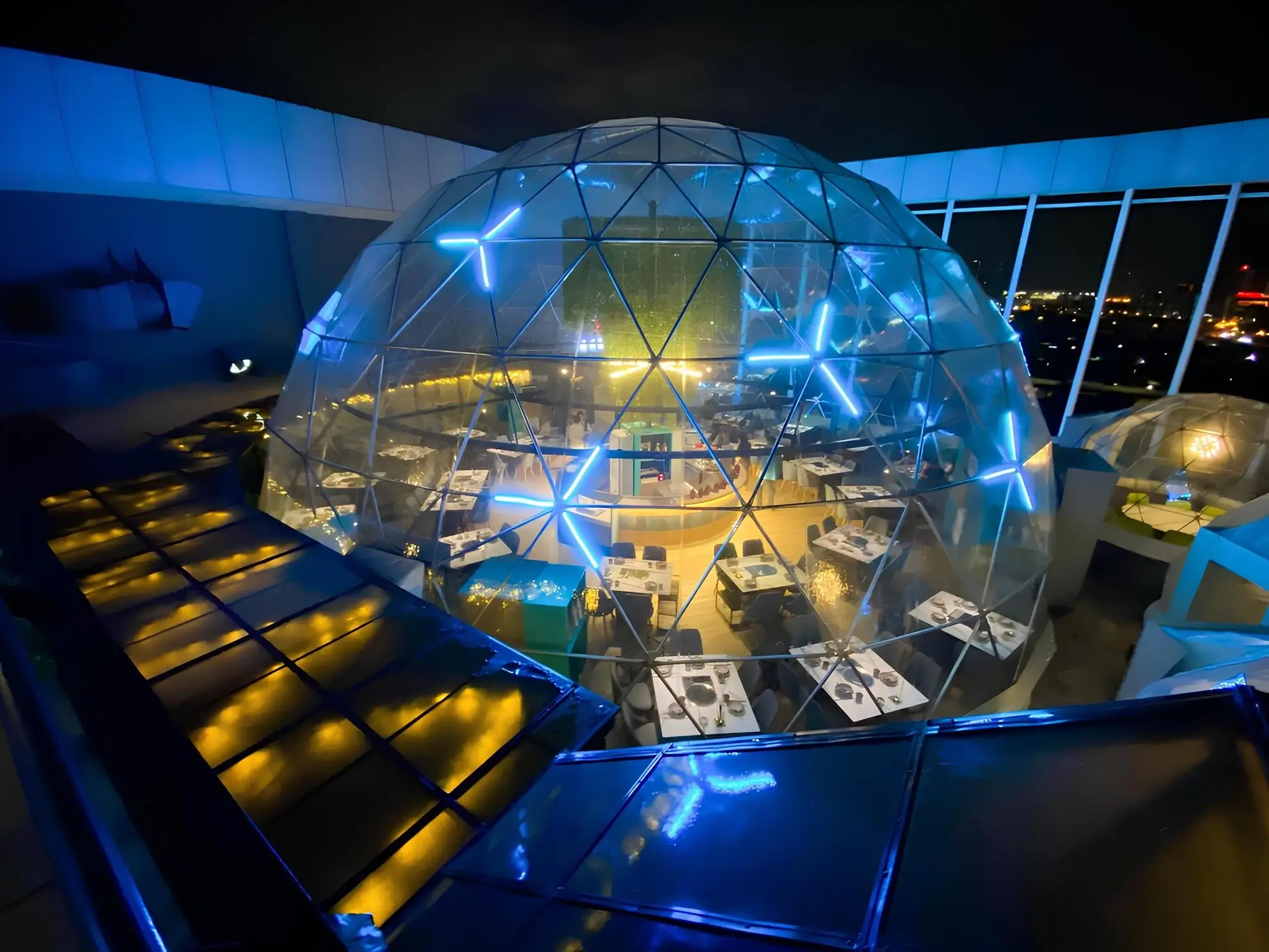
Lighting is a highly cost-effective tool for shaping the atmosphere in artistic installations. It doesn't require changing the building itself, yet it can completely transform the experience of a space. Advances in LED technology have made lighting not just about illumination, but also capable of color‑changing and dynamic control. A warm‑toned lighting scheme can make a venue feel intimate and welcoming, while cool tones or dynamic light effects can create a sense of modernity and tension.
In light festivals or seasonal light shows, lighting is often combined with architecture, plants, or water features to create a cohesive visual scene. Nighttime attractions use lighting to turn ordinary spaces into immersive projections, offering visitors a completely different feeling. Well‑designed lighting can give a venue a unique nighttime appeal, and also helps create a more memorable experience for visitors.

Interactive Digital Installations
Interactive digital installations use sensors or digital screens to respond to visitors' touch and movement, shifting their role from passive viewing to active participation. For example, visitors can explore information through touchscreens, or trigger changes in visuals, sound, and lighting through body movements.
This interactive approach adds an element of fun and engagement, encouraging visitors to stay longer and try different interactions. By carefully designing the level of challenge and the feedback effects, it is possible to create a unique experience with each visit, further extending the time visitors spend interacting with the installation.

Projection Mapping Installations
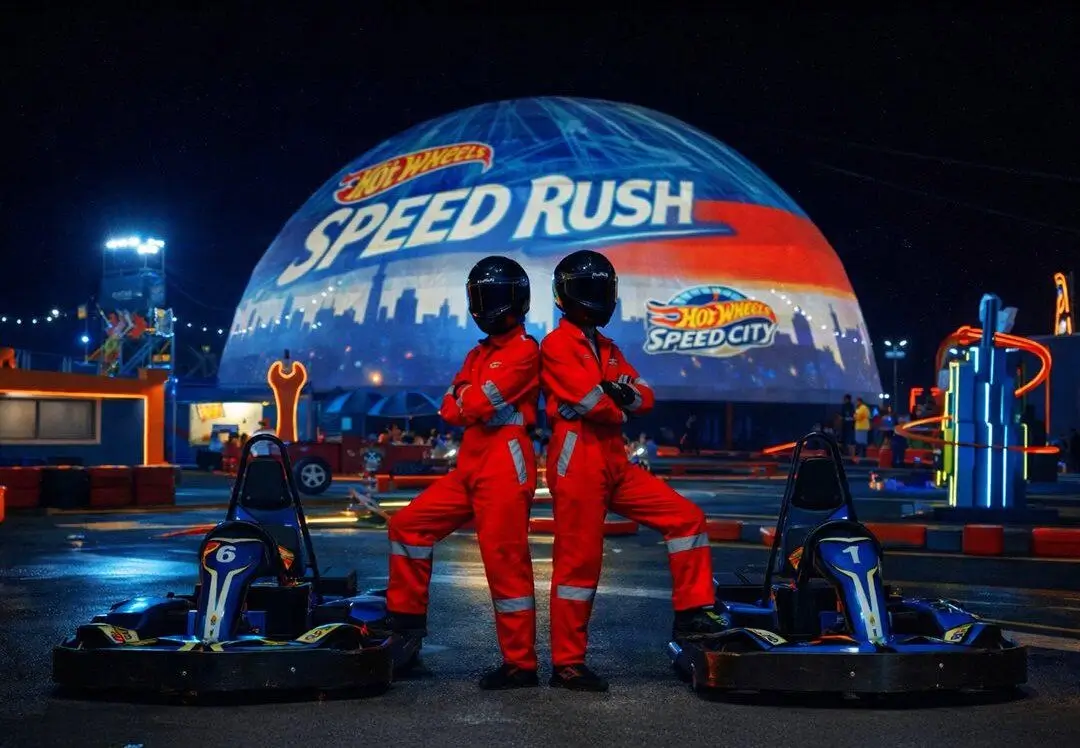
Projection Mapping Installations are a technology that precisely projects dynamic images onto surfaces with specific shapes. Building facades, the inner walls of domes, and other architectural surfaces can all serve as projection canvases. The greatest advantage of this technology is that the content can be updated and replaced at any time without modifying any physical structure. By simply creating new projection content, the same space can present a completely different visual theme.
Spherical domes are one of the most effective spatial forms for projection mapping. Unlike flat or right‑angled walls, dome projection uses a spherical screen for panoramic, 360‑degree image presentation. The fully wrapped curved surface allows visuals to cover the audience's field of view from all directions, making viewers feel as if they are inside the scene. The immersive quality of this dome projection room far exceeds that of ordinary flat‑screen projections.
In a practical commercial application, Shelter Dome created a dome projection space for a brand's experiential marketing campaign. The event combined the dome with Projection Mapping Installations to present the brand narrative through immersive visual content in 360 degrees. The on‑site communication impact and social media exposure were both significantly enhanced.

Sound and Multimedia Installations
Sound and Multimedia Installations combine music, ambient sound, video, lighting, and digital content to create a coherent narrative environment. Visitors can experience both visual and auditory stimuli simultaneously.
In these installations, the direction, rhythm, and volume of sound are synchronized with the color temperature of lighting and the transitions of video imagery, guiding the viewer's attention and emotional flow.
While a single screen or speaker provides limited coverage, multimedia installations use spatial distribution to build a "sound field" and "visual field" that fully engages the audience. This multi-layered sensory experience undoubtedly enhances the overall quality of the event.
Where Are Artistic Installations Commonly Used?
Artistic installations are commonly found in public spaces such as museums, shopping centers, and hotels and resorts. For example, museums can use interactive or immersive installations to enrich their exhibitions, encouraging visitors to engage more actively with the displayed works.
Shopping centers often use eye‑catching art installations to draw foot traffic and create visually striking photo‑worthy focal points. Hotels and resorts can integrate installations into lobbies, courtyards, and other areas to create a unique environmental experience for guests. By making good use of artistic installations, the visual identity of public spaces can be significantly enhanced.
What Do You Need to Build an Artistic Installation?
To turn a creative idea for an artistic installation into reality, preparation must be made across several key dimensions at the same time. Every detail will affect the final result. The construction points below can serve as a reference.
Choose a Space That Fits the Creative Concept
When choosing a site, the size and shape of the space directly affect the installation layout and visitor flow. A suitable venue should hold the expected number of visitors and provide enough room for movement, avoiding crowding and blocked views. Ceiling height is also key, especially for hanging or elevated projection installations that need enough height for full visual effect.
What's more, the style and feel of the surroundings also affect how well the installation fits the site, including factors like natural light, wall materials, and floor texture. Both indoor and outdoor venues need proper safety distances and evacuation routes to keep visitors safe during interaction or viewing.
Plan Lighting to Enhance the Visitor Experience
Lighting design plays a significant role in artistic installations. Changes in natural light can affect how colors and details are perceived, while artificial light allows control over color temperature and brightness levels throughout space.
The lighting should make the work clearly visible while avoiding glare that might interfere with the viewer's sight. During installation, the position and angle of fixtures should be adjusted in advance to prevent light from shining directly into the audience's eyes or creating harsh reflections on the work's surface.

Design Visitor Flow for Comfortable Exploration
The site layout for an artistic installation should form a clear circulation loop. Entrances and exits should both be located in open, accessible areas. Walkways need to be as simple and straightforward as possible, with floor markings or directional signage indicating the main flow. Also, the layout of viewing areas is supposed to take into account different viewing angles, with enough frontal distance and side viewpoints to prevent visitors from crowding in one spot.
In addition, visitors using wheelchairs, families with strollers, and other groups with limited mobility should also be considered. A minimum aisle width of 1.2 meters is recommended. Ramps should meet accessibility standards for slope gradients, and the flooring surface should remain level to facilitate ease of movement for all visitors.
Prioritize Safety Throughout the Installation
Safety considerations for an artistic installation should be planned from the structural design stage. The structure must have sufficient stability. Electrical wiring and connection points need to be secured properly to avoid tripping hazards or electric shock risks.
Furthermore, the location of emergency exits and safety signage must be clearly marked to ensure quick evacuation in case of an emergency. For outdoor installations, the ability to withstand wind, rain, and UV exposure should also be assessed.
Prepare the Right Equipment for Reliable Operation
Artistic installations usually require multiple types of equipment to operate together. Therefore, equipment needs should be determined in advance based on the content and site conditions before setup. Common equipment includes projectors, LED lighting, and speakers for presenting visuals, lighting, and sound effects.
In addition, a control system, power supply, and mounting structure are also needed to ensure that different devices can be connected securely and function properly. For long‑term installations, appropriate maintenance tools should be prepared, and access space for servicing should be reserved. Choosing reliable equipment that matches the installation's needs helps reduce operational issues and keeps the event or exhibition running more smoothly.
Conclusion
A successful artistic installation is not just visual decoration, but a combination of space, art, and audience experience. Each type of artistic installation has its own unique expression and suitable application. Choosing the right type and doing proper preparation are key to ensuring an installation achieves its intended impact.
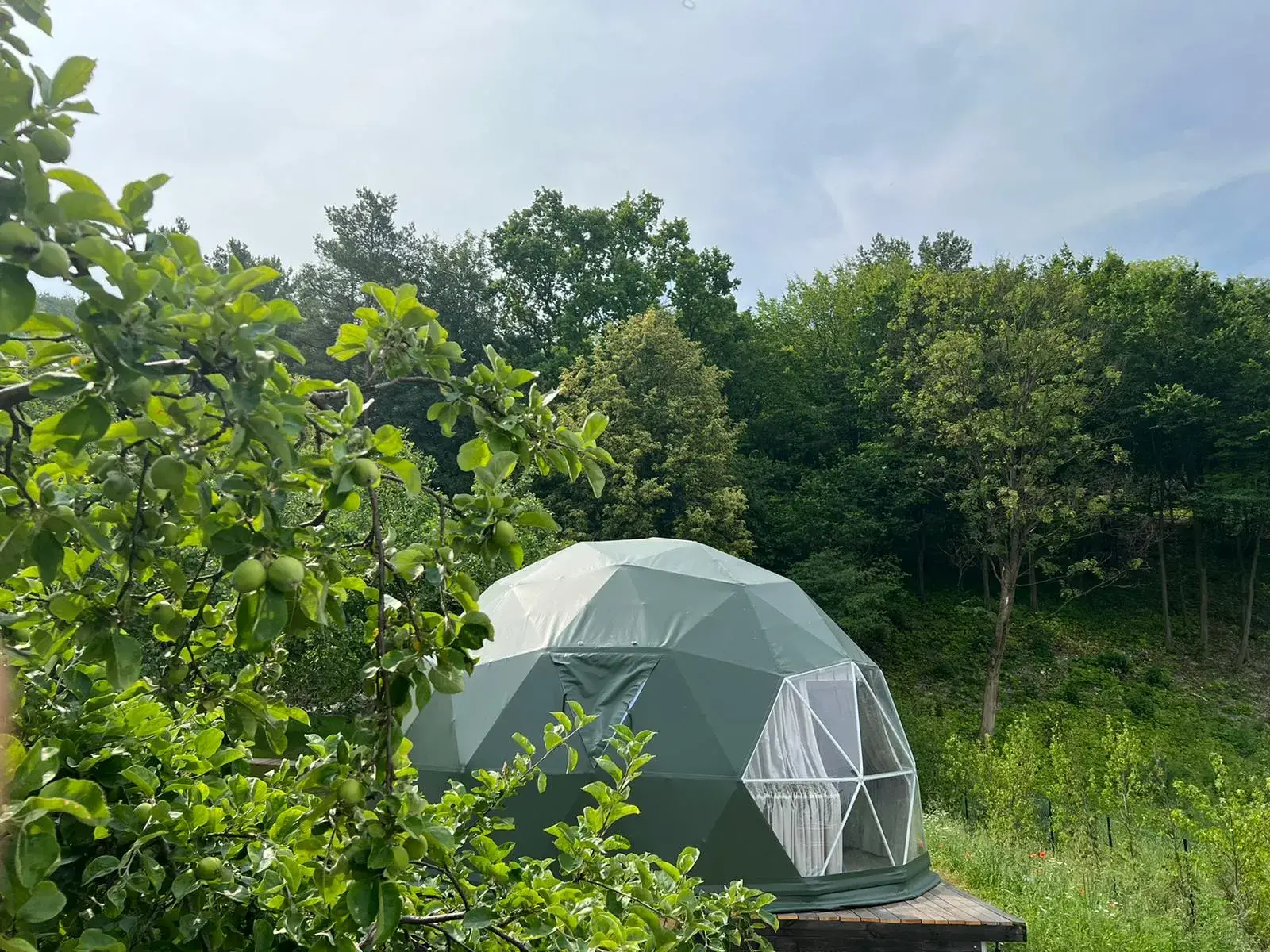
If you are planning an artistic installation for an event, venue, or brand project, feel free to contact Shelter Dome. Shelter Dome offers a variety of dome structures and custom space solutions for immersive displays, brand events, art projects, and experiential spaces. Our team can help bring your ideas to life through flexible structural design and customized services.
