




Trying to decide between a traditional pergola and a dome pergola for your yard? Dome pergolas have become increasingly popular in recent years, and their curved design certainly stands out. But are they really better than traditional ones?
This article puts dome pergolas and traditional pergolas side by side, comparing them across functionality, maintenance, and suitable applications. Whether you're looking to upgrade your backyard or find the right outdoor structure for a commercial space, you should have a clearer direction by the end.
What Is a Traditional Pergola?
A traditional pergola is an open outdoor structure supported by vertical posts that hold up beams and roof rafters. Its top features a uniform grid design with evenly spaced crossbeams, leaving gaps between them to let sunlight filter through. Traditional pergolas are typically made of weather-resistant woods, such as red cedar, as well as metal or vinyl.
These types of structures are mainly used to define outdoor spaces, provide support for climbing plants, and offer a degree of shade.

What Is a Dome Pergola?
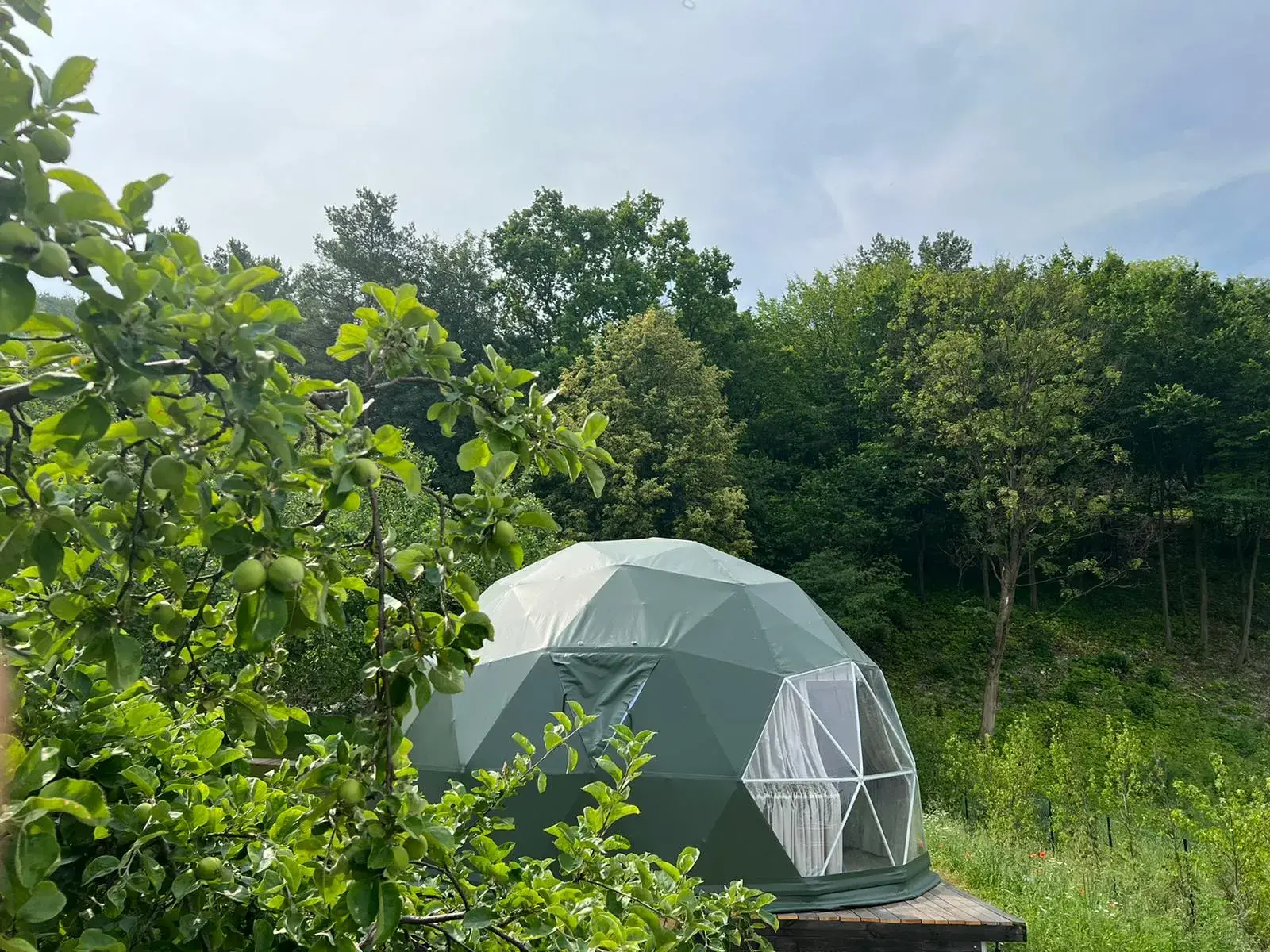
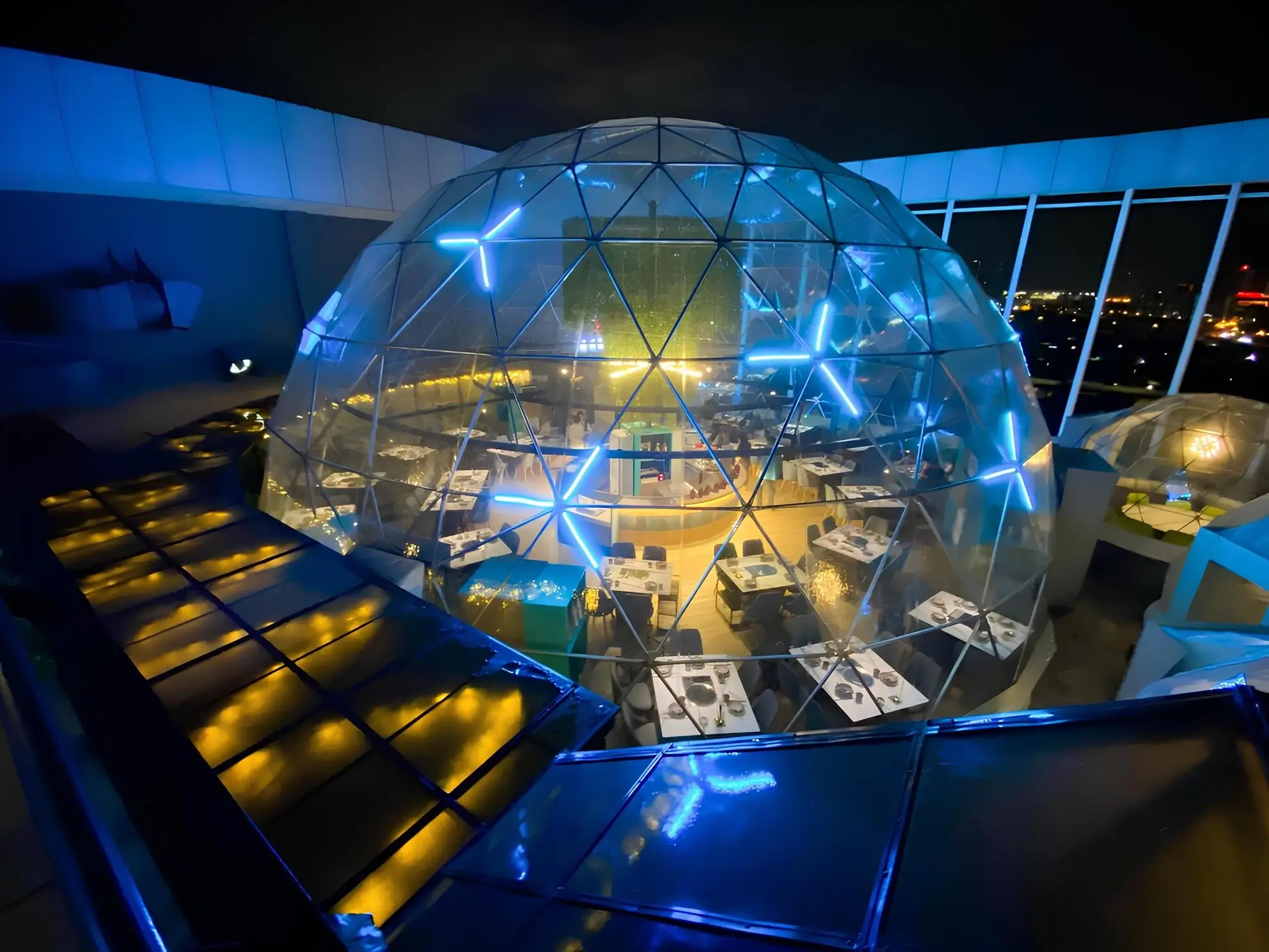
A dome pergola is an outdoor structure designed with a spherical or geodesic dome shape. Unlike the straight lines and flat roof of a traditional pergola, a dome pergola is assembled from multiple triangular frames to form an arched dome.
This structure not only offers a more distinctive appearance but also distributes forces more evenly. Dome pergolas are typically constructed with steel or aluminum alloy frames. Their covering materials can include transparent PVC, polycarbonate panels, or glass panels.

Dome Pergola vs. Traditional Pergola: Key Differences
Although both types of pergola are outdoor sunshade and rest structures, there are actually some significant differences. Understanding these differences is necessary to determine which form is more in line with your actual needs. Below will compare these two types of pergola in detail from several aspects.
Design and Appearance
A traditional pergola mainly uses straight lines, with beams, posts, and rafters forming a regular geometric framework. Its open top gives the structure a light and airy feel, while the view from within remains open and unobstructed.
A dome pergola, on the other hand, follows a completely different design approach. Its rounded top profile and streamlined overall shape give it a more modern and elegant look. The pergola dome is highly recognizable and can become a visual focal point within the space.
Shade and Weather Protection
From a structural perspective, both traditional pergolas and dome pergolas fall under the category of open frameworks. The top grille or curved skeleton itself does not provide complete coverage. However, both types can be enhanced with climbing plants to naturally increase shade. Plants like wisteria, ivy, or roses growing along the framework provide both shade and aesthetic appeal, making it a classic and traditional approach.
In terms of weather protection, if both remain open frames, there is little difference in their ability to handle rain and wind. Both would require additional measures when the weather suddenly changes.
The real distinction lies in the increasingly common roof cover designs found in modern dome pergolas. A domed pergola and a glass dome pergola with a closed or semi‑closed covering structure offer a significant upgrade in rain, wind, and sun protection. Such a pergola dome can be used all‑weather without being restricted by weather conditions.

For example, the PVDF tarpaulin dome uses PVDF covering material that provides excellent UV resistance and waterproofing while maintaining good breathability. Similarly, the igloo tent, through its more complete enclosed cover design, further enhances all‑weather usability, making it particularly suitable for areas with variable climates or projects with higher comfort requirements.

Comfort and Privacy
The open design of a traditional pergola provides good natural ventilation, but it also means that privacy is relatively limited. In a garden or within public view, the sides are almost entirely exposed. For users who value privacy, additional curtains or side panels are usually needed to compensate.
A dome pergola with fabric covering, however, has a natural advantage in this regard. The covering itself forms a visual barrier, making the interior space more private and creating an "indoor‑like" outdoor experience.
With the addition of openable side panels, users can adjust the level of openness as needed, opening them for ventilation and closing them when privacy is desired. This offers significantly better comfort and flexibility compared to traditional open structures.

Durability and Maintenance
The durability of both types of pergolas ultimately depends on the quality of the materials used and the climate conditions at the installation site. For example, aluminum alloy and stainless steel frames perform better in outdoor environments than ordinary steel in terms of corrosion resistance. Wooden frames, on the other hand, require regular anti‑corrosion treatment.
In comparison, the frame construction of a dome-shaped pergola is more complex. The number of curved connection points is also greater than in a traditional straight‑line structure. If a canopy covering system is also included, the membrane or fabric will require regular inspection and cleaning, making overall maintenance more demanding than that of a traditional pergola.
Installation and Cost
The construction logic of a traditional pergola is relatively straightforward, and there are many standardized kits available on the market. The cutting and assembly of straight components generally do not require special tools or techniques, making installation easy and material costs relatively transparent. This makes it an ideal choice for users on a budget or those who prefer a DIY installation.
In contrast, the upfront investment for a dome pergola is significantly higher. The curved frame requires higher processing precision, with the bending angle and connection points of each component needing to be exact. The installation process is also much more complex than a straight‑line structure, usually requiring professional guidance or a professional team to set up. If a covering system is also involved, the overall cost may increase further.
Which Pergola Is Right for You?
After understanding the various differences, you can easily choose the right outdoor pergola by matching your needs, site style, and budget. The two types of pergolas each have their own suitable applications. Here's how to choose the right one for your scenario.
When to Choose a Dome Pergola?
If you need to use your outdoor space all year round without being limited by season or weather, a dome pergola with a covering system is a worthwhile investment. It is also well suited for commercial spaces and event venues. This is because its distinctive shape can add visual appeal to the space, attracting more visitors.
For residential users who seek a modern look or want to create a luxury backyard, the dome pergola also offers a way to bring various large backyard ideas to life.

When to Choose a Traditional Pergola?
If your budget is relatively limited, or if the project is mainly for a private garden or a home patio, a traditional pergola is a more budget‑friendly choice. Its installation is less demanding, and there is a wide selection of DIY kits available on the market, making the overall cost transparent and manageable. For users who enjoy hands‑on backyard projects or prefer a classic, natural aesthetic, a traditional pergola remains a reliable option.
Final Thoughts
Overall, a dome pergola is better suited for projects seeking a distinctive look, flexible use, and a unique outdoor experience, while a traditional pergola is more suitable for gardens and patios with limited budgets and simpler structures. Neither option is a one‑size‑fits‑all answer. The key is to find the best match based on your own usage needs, site conditions, and budget.
If you are struggling to find the right dome pergola, feel free to contact Shelter Dome. Shelter Dome offers a variety of dome pergola and garden dome products. Our professional team provides one‑stop services from design to structural setup. We welcome you to contact us to find the outdoor space solution that truly suits you.
H2: FAQs
Can a dome pergola be used all year round?
Yes, especially with a covering system in place. A dome pergola with a PVDF or fabric canopy can be used in rain, strong sunlight, and low temperatures, greatly enhancing the year‑round outdoor experience. If your area experiences significant climate variations, it is advisable to choose a design with openable side curtains, allowing for flexible adjustments according to the season.
Do traditional pergolas provide enough shade?
Yes, under a standard open‑frame design, the shading effect of a traditional pergola is limited. It typically requires a custom canopy, shade sail, or climbing plants to achieve practical sun protection. If better shading is a core requirement, a gazebo with stronger coverage may also be worth considering.
Do you need planning permission for a pergola?
In most areas, pergolas that meet local building code exemptions in terms of size and height typically do not require formal planning permission. Nonetheless, regulations vary by location. It is advisable to check with the local planning department before installation, especially for larger structures or those involving permanent foundations.
