

Traditional advertising helps consumers see a brand. It does not always give them a reason to remember it. Experiential events take a different approach. They invite people to interact with a brand through activities, products, and physical spaces. These events can range from pop-up activities and product demonstrations to large brand gatherings and immersive experiences. This guide explains what experiential events are, why they matter, the main types, and the key steps for planning one.
What Are Experiential Events
Experiential events are marketing activities built around direct audience participation. Instead of only presenting an advertisement or product, brands create activities that people can experience in person. These may include product trials, games, live performances, interactive displays, or themed spaces.
Traditional marketing often focuses on delivering a brand message to an audience. Event experiential marketing gives the audience a role in the experiential activity. Visitors can try a product, take part in a challenge, explore a space, or create content. The brand message then becomes part of the experience.
Why Are Experiential Events Important for Brands
Direct interaction gives brands more ways to connect with their audience. A well-planned event can attract visitors and encourage them to spend time with the brand. That is what experiential events can achieve.
- Generate Leads and Sales: Face-to-face interaction allows brands to speak with potential customers. Product trials, consultations, registrations, and on-site purchases can help identify interested prospects and support sales.
- Create Stronger Brand Connections: Taking part in an activity gives consumers a direct experience with the brand. This can make the relationship feel more personal than a standard advertisement.
- Make the Brand More Memorable: Interesting activities and distinctive spaces give visitors something to remember. A hands-on experience can also help consumers understand a product and brand in a more direct way.
- Encourage Social Sharing: Attractive spaces and interactive activities can create natural opportunities for photos and videos. Visitors may share this content on social media, extending the reach of the event beyond the venue.
For this reason, experiential event design should consider both the activity itself and the visitor experience. The event needs to give people a clear reason to participate and a natural reason to share what they see.

What Are the Different Types of Experiential Events
Experiential events can take many forms. The right format depends on the brand, product, audience, and campaign goal. For instance, a retail brand may choose a short-term pop-up. A B2B company may focus on a trade show. A brand that wants a strong visual experience may choose an immersive or themed event.
- Pop-Up Experiences
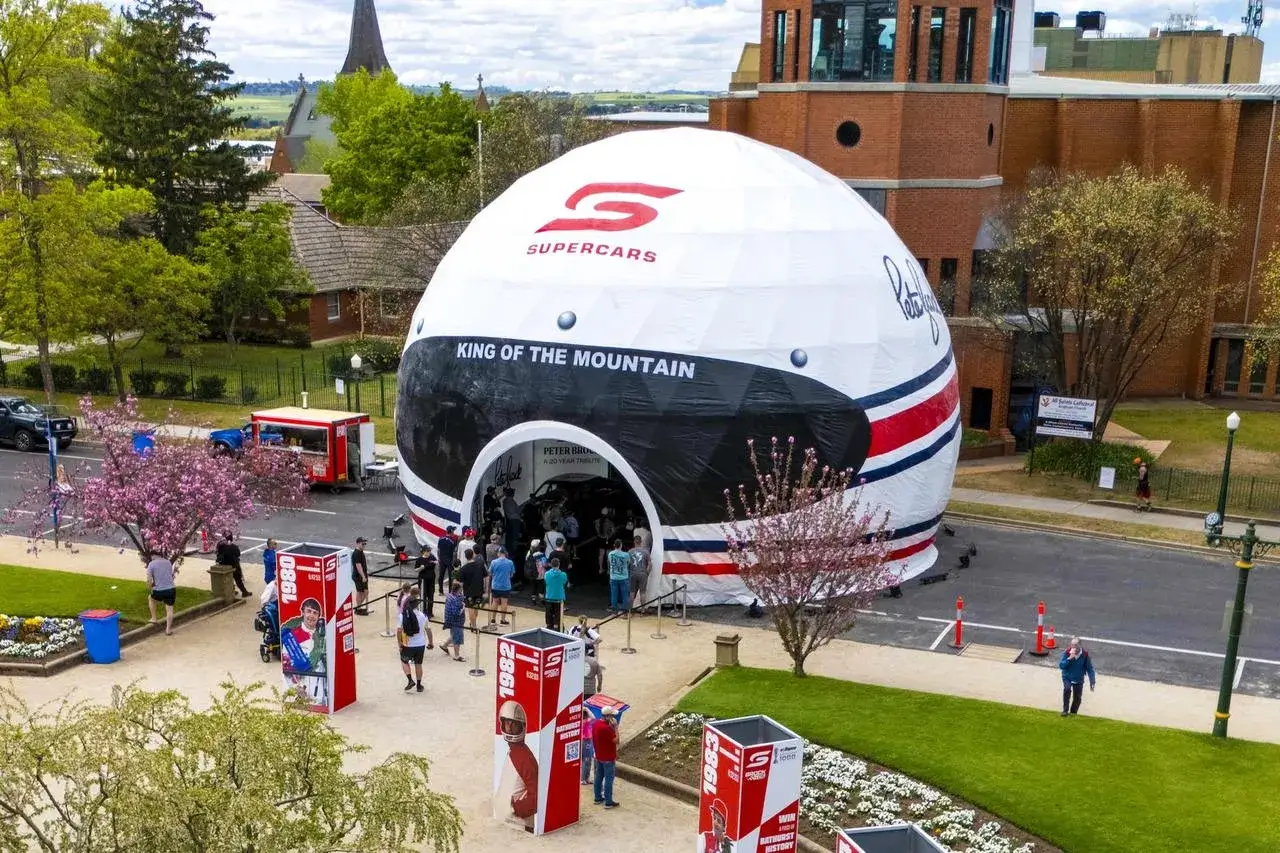
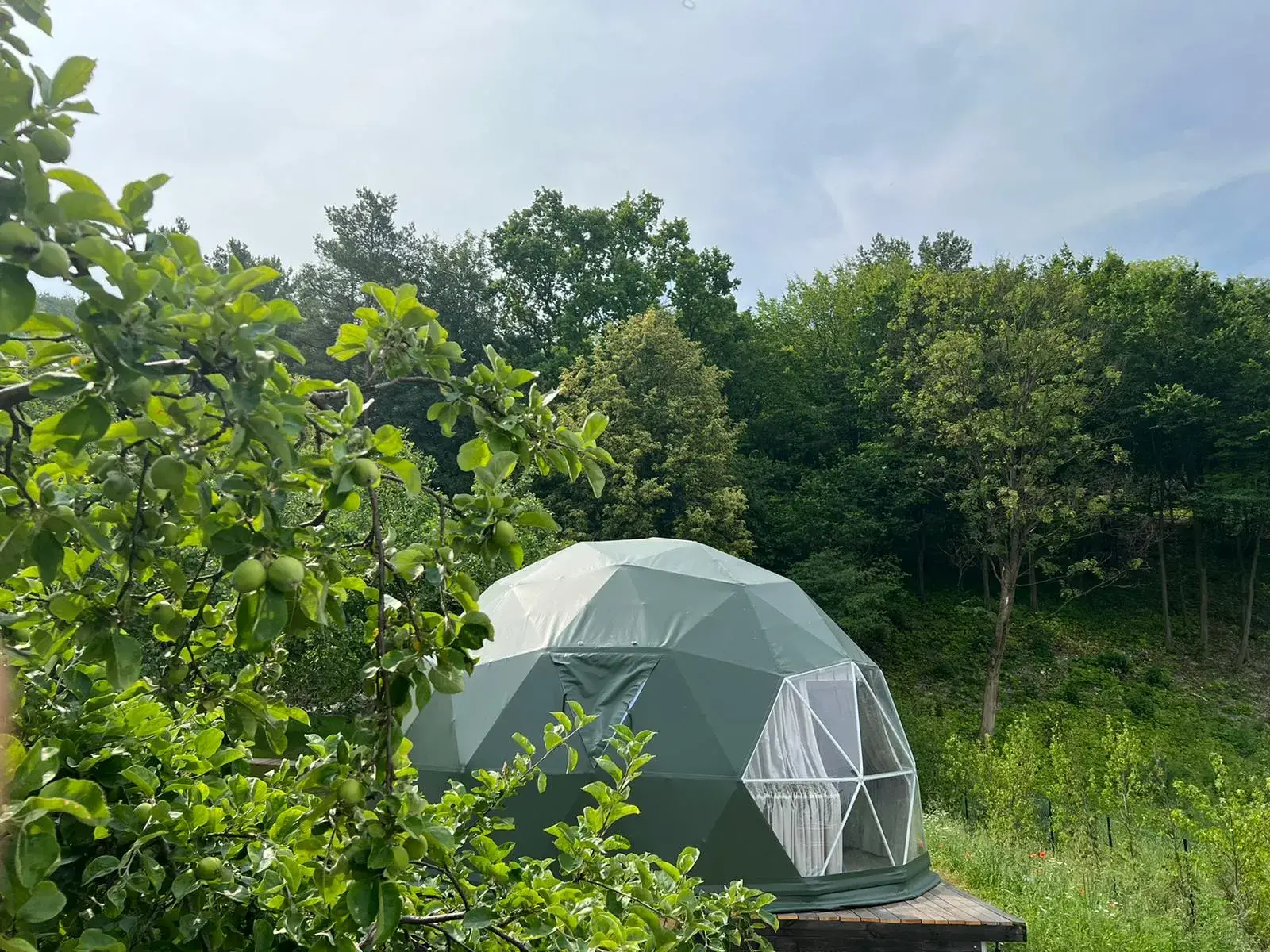
Pop-up experiences are temporary activities held in places such as shopping centers, commercial areas, public spaces, or outdoor locations. Brands can create product displays, games, trial areas, and photo spots within a limited period. This format can suit retail, fashion, beauty, food and beverage, and consumer technology brands. A well-planned pop-up event often focuses on creating a unique and creative space, such as a temporary dome. With its distinctive appearance and spacious interior, a temporary dome can create a separate event space with a clear visual identity and ample usable space.
- Product Demonstrations and Sampling Events
Product demonstrations and sampling events give consumers a chance to interact with a product. Food and beverage brands can offer samples. Beauty brands can arrange product trials. Technology companies can show how a product works through live demonstrations. These activities give visitors a direct way to understand the product. Staff can also answer questions and collect feedback with visitors during the event.
- Trade Shows and Exhibitions
Trade shows and exhibitions are often used by B2B companies, manufacturers, technology businesses, and other brands that want to meet potential customers. They are similar to product demonstrations and sampling events, but the audience is more likely to include industry professionals, and the business opportunities can be greater.
Product displays, demonstrations, consultations, and business conversations can all take place within the same space. This format works well when a product needs more explanation or a practical demonstration.
- Festivals and Large-Scale Brand Events
Festivals, cultural events, celebrations, and large brand activities can bring many visitors together. Brands can create dedicated activity areas, games, live performances, product experiences, and branded installations. These events can help businesses reach a wider audience and introduce products or brand ideas in a public setting.
- Immersive and Themed Experiences
Immersive and themed experiences use space, lighting, visual content, interactive elements, and storytelling to create a complete environment. They can suit automotive, technology, entertainment, and consumer brands.
An immersive dome can also provide an open setting for this type of activity. It offers structures in PVC, glass, and PVDF tarpaulin covering options. Standard PVC dome models range from 78 to 1,962 square meters of floor space. Glass dome models range from 490 to 1,962 square meters. Custom sizes are also available. The structures can support different immersive event layouts and uses.

How to Plan an Experiential Event
A strong experiential event starts with a clear plan. Creative ideas need to work with the audience, venue, space, and event goals. Good experiential event planning also helps teams organize staff, equipment, visitor flow, and other practical details.
Define Your Goals
Start by deciding what the event needs to achieve. A brand may want to build awareness, promote a new product, generate leads, encourage product trials, or strengthen relationships with existing customers.
The goal will shape the rest of the event. A lead generation event may need registration and consultation areas. A product launch may need demonstration zones. A brand awareness campaign may place more focus on visual elements and social sharing. Clear goals also make it easier to select useful measures after the event.
Know Your Target Audience
The target audience should guide the experience. First, identify who the event is designed for. Then consider why these people want to attend and what they expect from the activity.
Different audiences respond to different formats. Younger consumers may enjoy games, interactive displays, and photo areas. B2B visitors may prefer product demonstrations and professional conversations. Understanding these preferences helps brands choose activities that fit the people they want to reach.
Choose the Right Event Format and Location
The event format and location should match the campaign goal and target audience. A small product experience may work in a commercial space. A large brand activity may need a wider outdoor venue. The location also needs to support visitor numbers, equipment, power, access, weather conditions, and installation requirements.
An event dome can provide another option when a standard venue does not fit the planned experience. Shelter Domes offers several event dome types and standard sizes. For example, the PVC dome series includes models from 10m to 50m in diameter. The 30m PVC dome has 706 square meters of floor space and a height of 15m. Custom sizes are also available.

Create an Engaging Experience
Visitors need a clear reason to take part. Depending on the event, brands can use DIY activities, product demonstrations, games, challenges, interactive displays, photo opportunities, or live performances.
The activity should also relate to the brand. A technology company can turn a product feature into an interactive challenge. A food brand can invite visitors to prepare or sample a product. An automotive brand can create a simulated activity around a product feature. These activities give visitors something to do while introducing the brand in a natural way.
Plan the Event Space and Setup
Space should follow the visitor journey. A typical layout may include an entrance and registration area, a main activity zone, a product display area, a rest area, and a photo or social media area. Brand signs and directional signs can help visitors move through space.
Promote the Event Before It Starts
Promotion should begin before the event opens. Brands can use social media, their website, email, partners, and other online channels to introduce the event.
The message should match the event format. A pop-up can highlight its limited duration and activities. A product launch can introduce selected product details before the event. A registration page or event hashtag can also help build interest and support content sharing.
Turn Your Brand Into an Experience
Effective experiential events turn brand ideas into experiences that people can take part in and remember. The event space plays an important role in this process. A suitable structure can support the layout, activities, and visual presentation of the campaign.
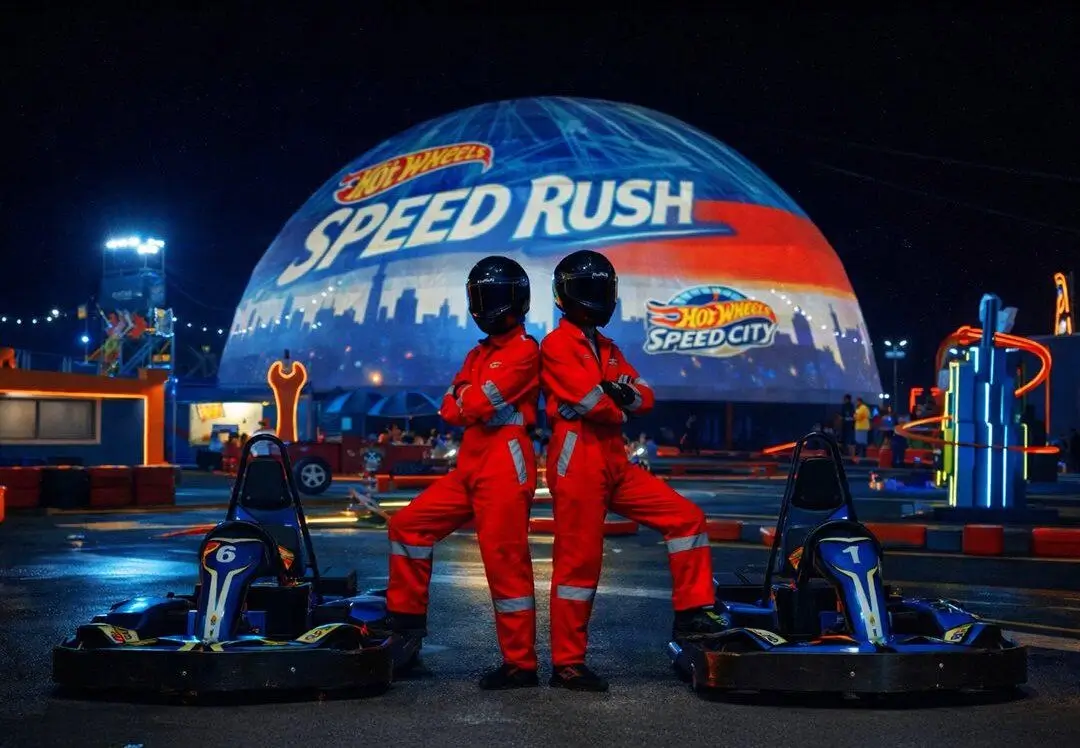
Shelter Dome has provided a 30m projection dome for an experiential marketing campaign in Doha, Qatar. The event used remote-controlled racing, themed motion games, AR interactions, and digital challenges inside the dome. The event ran for 34 days and received more than 75,000 visitors.
The experiential marketing campaign case shows how a dome can support an interactive brand activity. For brands planning a customized event space, Shelter Dome provides dome rental and custom solutions for different event applications and space requirements.

FAQs About Experiential Events
Are experiential events only for large brands?
No. Experiential events can work for brands of different sizes. A small business can start with a product experience, pop-up activity, or small interactive event. The scale should match the campaign goal, audience, and available resources. Shelter Dome also offers event dome structures in different sizes, from smaller models to larger spaces for bigger gatherings.
How long does an experiential event usually last?
There is no standard duration. A pop-up activity may run for several days, while an exhibition, festival, or brand campaign may last longer. The right duration depends on the campaign goal, audience, venue, and event plan. A temporary event can work well when its activities fit the available time and encourage visitors to participate.
How to make an experiential event successful?
Start with a clear goal and a well-defined target audience. Then choose an event format that fits both the brand and the audience. The activities should encourage participation and connect with the brand message. Space planning also matters. Visitors should be able to understand where to go and what to do. Staff, equipment, power, access, and other practical requirements should also be planned before the event.
How to measure the success of an experiential event?
The right metrics depend on the campaign goal. Brands can track visitor numbers, interactions, product trials, leads, sales, website traffic, and social media activity. A brand awareness campaign may focus on reach and content sharing. A lead generation event may focus on qualified leads and later conversions. Comparing these results with the event goals gives the brand a clearer view of the campaign performance.
