



As travel gets more and more popular, travelers today also have higher expectations for the quality of accommodation. To better meet changing needs and stand out in a competitive market, it's time to rethink and upgrade your hotel.
This is no easy task. But don't worry, we're here to help. This guide will give you a better understanding of hospitality architecture, including its definition, common types, and key features. More importantly, you'll find practical design tips and insights into future trends. Read on to create more functional, attractive, and memorable hospitality spaces now!
What Is Hospitality Architecture and How Does It Work?
To put it simply, hospitality architecture refers to the design of built environments created to meet specific guest needs and deliver unique services. Hotels, resorts, restaurants, spas, and other guest-focused facilities all fall into this category.

It combines visual appeal with practical functionality, creating inviting spaces that enhance the guest experience both visually and experientially. Meanwhile, this type of architecture also incorporates innovative design elements, sustainable practices, and cutting-edge technology to create a more modern, luxurious environment for people to stay in.
Unlike ordinary architecture, the design of hospitality buildings often needs to take multiple factors into account, including accommodation comfort, social interaction, brand identity, and operational efficiency. From private guest rooms and public areas to circulation paths and service spaces, each part needs to work closely to support all these functions.
Common Types of Hospitality Architecture Projects
Hospitality architecture is not limited to the conventional hotel designs we see in everyday life. It has evolved into various forms to suit different locations, guest preferences, and project goals. Typical types include:

- High-Rise Hotels: Common in city centers, high-rise hotels make the most of limited land by building vertically. Meanwhile, their convenient locations offer easy access to major attractions, business districts, and essential services.
- Low-Rise Hotels: This hospitality type is often built in resorts and suburban areas. With a smaller scale and lower height, it creates a more relaxed and intimate atmosphere.
- Courtyard Hotels: These hotels are designed around a central open-air courtyard. This layout improves natural lighting and ventilation while creating a shared space where guests can relax, socialize, or enjoy outdoor activities.
- Villa Resorts: Made up of separate villas, these resorts emphasize privacy, comfort, and an upscale vacation experience. They can offer a more personal space for couples, families, or groups of friends to spend quality time together.
- Lodge-Style Hotels: Found in mountains, forests, and other natural settings, lodges offer a peaceful retreat amid scenic landscapes. They are especially popular with those seeking outdoor adventures and a closer connection with nature.
- Floating Hotels: As the name suggests, floating hotels are definitely built on water or near coastal areas. The unique setting can become a major attraction for travelers seeking something different.
- Eco Hotels: Eco hospitality structures focus on sustainable design and environmentally responsible construction. These buildings may use biodegradable materials, energy-efficient systems, and low-impact solutions to reduce waste and minimize their effect on the natural environment.
Key Features of Successful Hospitality Architecture
A successful hospitality architecture project is usually defined by several key features. Guest experience, connection with the local environment, brand identity, and sustainability can all shape the overall character and performance of a property. Below are the details that truly set hospitality and hotel architecture apart.
Design Around Guest Experience
Guest experience is a top priority across the service industry, especially in hospitality. When designing hospitality architecture, it's important to think about how easily guests can navigate and use the space throughout their stay. From arriving at the property and checking in to resting and enjoying activities, every stage should feel convenient and well organized.
Moreover, it's often wise to clearly divide the property into different areas based on their functions and tailor the design accordingly. For example, entrance areas should create a positive first impression, public spaces are supposed to encourage social interaction, while accommodation areas should provide both comfort and privacy.
Connect Architecture with the Local Environment
Hospitality and hotel architecture today tends to place greater emphasis on the connection between the project itself and the surroundings. The whole construction process is not simply about putting a building on a site. Instead, it requires a design that adapts to local conditions, including climate, terrain, and landscape.

For instance, mountain resorts may need to adapt to challenging terrain, while forest camps should minimize their impact on nature. Plus, many hotels also incorporate local cultural elements into the design, allowing guests to better experience the character of the destination.
Create Spaces with Strong Brand Identity
To create a more memorable space for guests, many hotels may add distinctive features to the building's appearance, interior style, and overall design. These elements not only make the property more recognizable but also help establish a unique brand image. Common approaches include creating signature architectural forms, designing themed spaces, or offering unique accommodation units. All of these can provide experiences that guests may not easily find in their everyday lives.
Balance Comfort, Function, and Sustainability
A successful hospitality architecture project should also strike a good balance between comfort, function, and sustainability. However, achieving all three at the same time is never easy. It usually requires different elements to work together, including lighting, ventilation, and temperature control. Most hotels would also use biodegradable and reusable materials to reduce waste and environmental impact.
In addition, the whole hospitality building can be very simple to install and replace, helping minimize site damage and make future changes easier.

How to Design a Hospitality Architecture Project
A perfect hospitality architecture design involves more than creating an attractive building. The space needs to be practical, comfortable, and suitable for every guest. If you're planning a new project, the following tips can offer some inspiration.
Start with the Location and Target Guest
Before starting the project, the first step is to understand the site conditions and identify your target guests. A seaside resort, mountain camp, and city hotel may offer very different experiences and attract different types of travelers. Based on this, you might need to arrange different layouts, architectural styles, and supporting facilities.
Meanwhile, it's also necessary to think about factors like local climate, accessibility, nearby attractions, and the length of guests' stays. These details can help determine whether you should provide additional features or services for the project.
Plan Functional Areas for Better Flow
Well-organized space is a key foundation of good hospitality architecture services. Typically, you should pay special attention to areas like reception, accommodation, dining, entertainment, and outdoor activity zones.

To improve guest flow and operational efficiency, remember to leave enough space for people to freely move, chat, and interact. Specifically, it's better to reserve about 8–10 sq ft per person for standing activities and 12–14 sq ft for seating areas. Also, prepare clear signs to help guests find their way without confusion. If possible, keep wiring and other service lines properly concealed. This can reduce clutter and lower the risk of accidents.
Connect Indoor Comfort with Outdoor Experiences
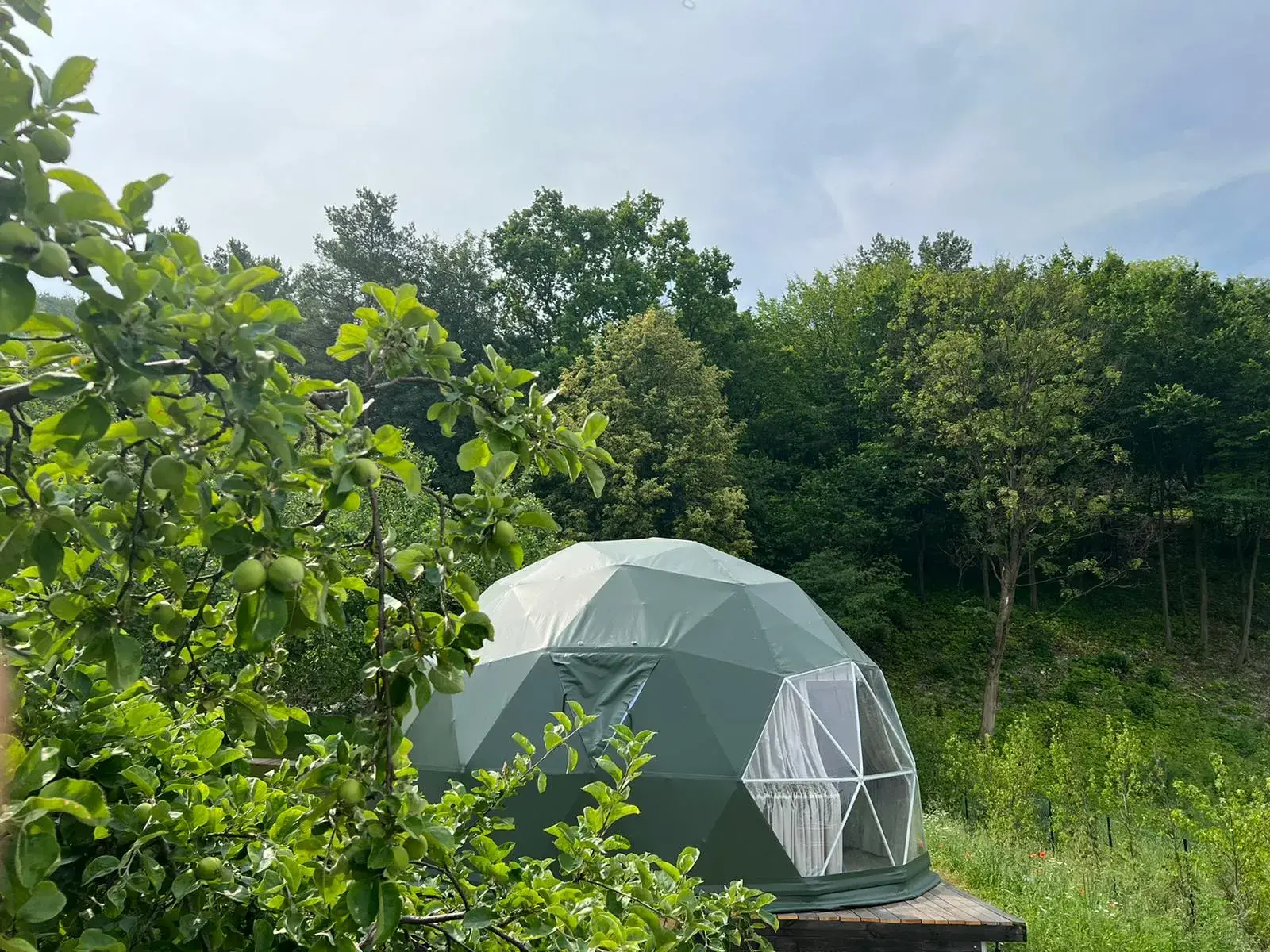
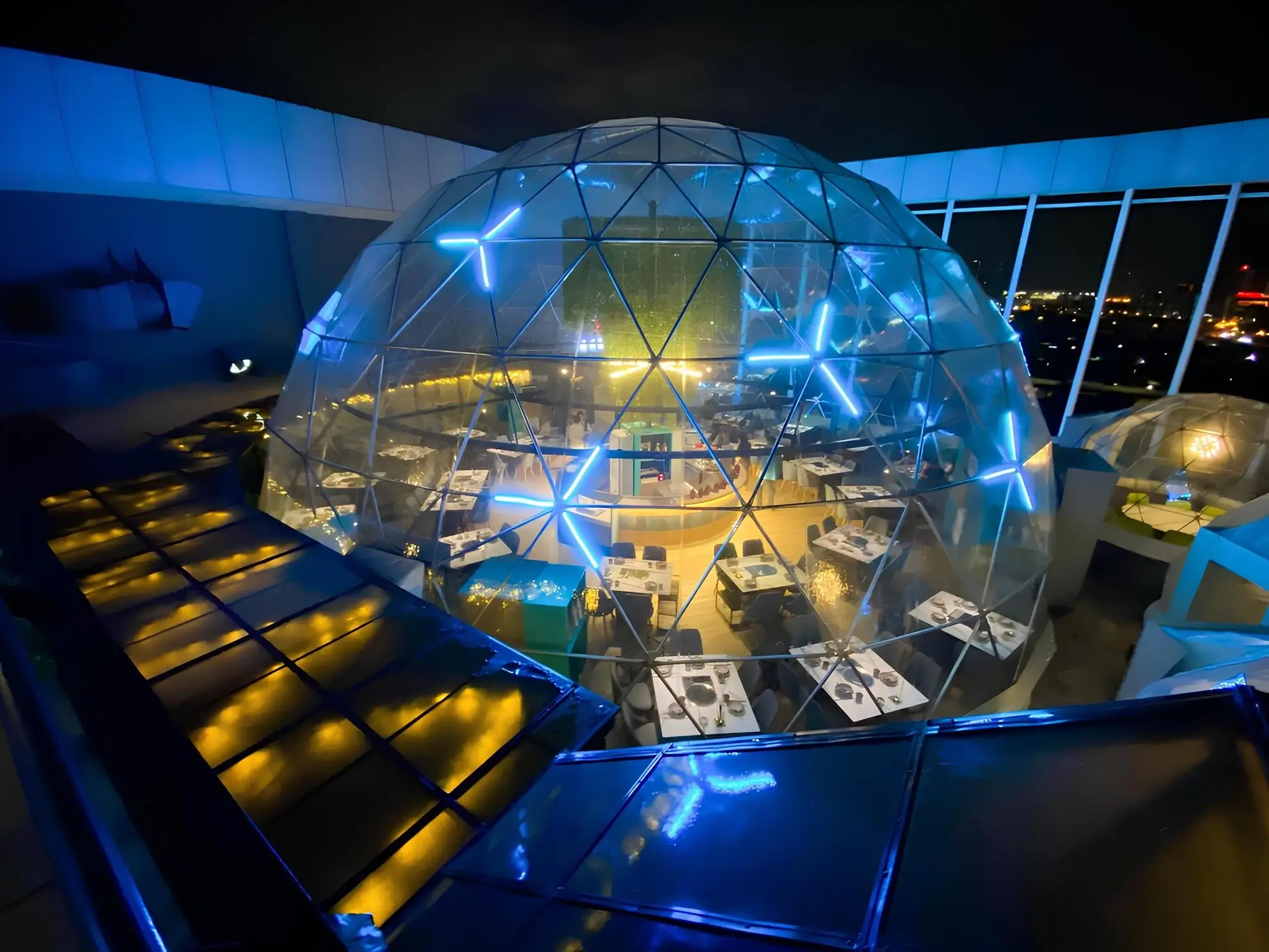
Modern hospitality projects are no longer focused only on indoor spaces. Instead, they are placing greater emphasis on connecting indoor comfort with the surrounding outdoors through large transparent enclosures, open layouts, and landscape connections. Glamping resorts are a good example of this approach. They combine accommodation, relaxation, and outdoor experiences all in one single setting.

Normally, dome tents are used to provide this type of hospitality. Their aesthetic appeal and hemispherical design make them blend well with the surrounding landscape and support various seasonal experiences, from enjoying snowy views in winter to relaxing under the stars in warmer months. Moreover, the transparent cover can provide a panoramic view, allowing guests to enjoy the scenery outside while staying comfortably inside the dome.

In addition to domes, peak luxury lodge tents are also used to combine accommodations and adventures. The flexible tensile membrane and sturdy aluminum alloy frame can help resist changing weather conditions, such as heavy wind, rain, snow, etc. At the same time, their farmhouse-like appearance can complement the surrounding environment and give guests a more authentic outdoor experience.

Due to their modular design, both types of tents can be installed quickly with minimal disruption to the site. Their interiors can also be customized with furniture, HVAC systems, flooring, and other features to suit different project needs. This makes them a practical option for eco-friendly hotels and resorts that aim to combine comfortable accommodation with a closer connection with nature.
Select the Right Building Solution for the Project
Every hospitality architecture has a different focus, so there is no one-size-fits-all building solution. Before making a decision, carefully consider the budget, site conditions, construction schedule, and long-term operational needs. You can weigh these factors based on your specific situation and develop a construction plan that best fits the project.
Although permanent buildings offer greater stability and long-term durability, temporary structures are still more recommended. This is especially true for remote locations, fast-track projects, or properties looking to offer a more distinctive accommodation experience. In these cases, luxury tents and dome tents can be practical options. They can adapt quickly to different sites and offer greater flexibility in layout and interior setup. If the project needs to be relocated or removed later, these structures are also easier to dismantle and move, with minimal impact on the surrounding environment.
Hospitality Architecture Trends for Future Projects
To better respond to changing market and customer needs, it's highly suggested to keep an eye on the latest hospitality architecture trends. Understanding where the industry is heading can help you create projects that remain appealing for years to come.
Sustainable and Low-Impact Hospitality Design
Sustainability is likely to remain a long-term focus in hospitality architecture. In the future, more and more projects may turn to eco-friendly lodging solutions. They will use fewer resources and create less impact during construction. This can be easily achieved by using environmentally friendly materials, energy-efficient designs, and flexible buildings that can be reused or recycled.

Nature-Integrated Hospitality Design
Another trend is that more hospitality projects are expected to connect closely with nature. Resorts in forests, coastal areas, and mountainous regions may become more and more common. Temporary tents may also gain popularity because they can quickly adapt to various ground conditions and climate conditions. Among various options, eco domes, luxury lodge tents, and safari tents can work exceptionally well for providing comfortable accommodation without extensive ground work.
Experience-Focused Resort Concepts
Future hospitality architecture may focus more on activities that support physical and mental well-being. Resorts can include relaxing options such as meditation, breathing exercises, yoga, and spa treatments. For people who enjoy more intense workouts, there are also facilities like outdoor sports areas and fitness centers. To take it a step further, you can add craft workshops, entertainment spaces, and social areas to encourage guests to connect, explore new interests, and enjoy a more engaging stay.
Conclusion
Designing hospitality architecture doesn't have to be complicated. The first step is to fully understand this concept, including its definition, types, and key features. Then, with the tips and future trends mentioned above, it becomes much easier to create an attractive and functional hospitality space.
If you want a more well-rounded plan, consider combining indoor comfort with outdoor experiences. In this area, Glitzcamp is an expert. Our tents are designed with both aesthetics and practicality. They can pair well with natural surroundings and be customized with various features to provide truly comfortable accommodation. Whenever you need creative ideas or practical solutions for hospitality projects, feel free to contact us anytime!
FAQs About Hospitality Architecture
What Should You Consider Before Starting a Hospitality Project?
Before the project starts, consider factors like site conditions, local market demand, budget, construction schedule, and operational workflows. Meanwhile, learning about local regulations and land-use policies in advance is also necessary. They help the project move forward smoothly and comply with all relevant requirements.
Are Luxury Tents Considered Hospitality Architecture?
Yes. Luxury tents can be considered part of hospitality architecture when they are used to provide guest accommodation and related services. These structures are pretty common in glamping resorts and nature-based hospitality projects. Their flexible structure can provide comfortable lodging while also giving guests a more immersive experience in the surrounding environment.
What Is the Difference Between Hospitality Architecture and Hotel Architecture?
Generally, hospitality architecture covers a broader range. It can refer to any building meant to host guests and provide leisure experiences. Hotels, resorts, restaurants, and spas all belong to this category. In contrast, hotel architecture is more specific and mainly focuses on traditional hotels. It usually involves multiple guest rooms, dedicated service areas, back-of-house spaces, and facilities needed for continuous hotel operations.
How Do You Choose the Right Hospitality Building Design?
The appearance, functionality, and sustainability of a hospitality building are all important. A good design should look attractive, serve guests well, and remain practical for long-term use. You may also need to compare permanent buildings with temporary structures based on the project's needs. Normally, flexible structures like domes and luxury lodge tents can be a good choice, as they are highly adaptable and customizable to fit different requirements.
