



Various outdoor performances, commercial shows, and other outdoor events rely on professional stage facilities to support them. For event operators, creating an outdoor stage that suits the scene, is safe and visually appealing is key to ensuring event success and enhancing the audience experience.
This article will comprehensively explain the types of outdoor stages, design considerations, and the complete setup process. We hope this provides practical and actionable guidance for operators looking to host various outdoor performances and events.
What Makes an Outdoor Stage Different From an Indoor Stage?
The differences between an outdoor stage and an indoor stage are mainly reflected in environmental adaptability and on‑site presentation. An indoor stage occupies a fixed venue, with stable environmental conditions and no need to cope with complex weather changes. Equipment is well protected indoors, and audiences can enjoy events more comfortably. However, its drawback is a lack of flexibility, as it is often limited by space, making large‑scale events difficult to hold indoors.
An outdoor stage is completely situated in an open natural environment. As a result, it must cope with complex weather conditions such as wind, rain, and intense sunlight. This places high demands on the weather resistance and durability of stage materials.
Nevertheless, an outdoor stage often sits in a wide outdoor space, offering adjustable and flexible dimensions and layouts that perfectly suit large events like music festivals, park performances, and camping activities. Audiences can enjoy a more open view and greater freedom of movement outdoors.
Popular Types of Outdoor Stages for Events
Different scales and types of events suit different outdoor stages. Below are several common options.
- Arena Stage: This type usually features a rectangular layout with tiered seating that surrounds the stage on all sides, giving the audience a 360‑degree view of the performance. It also requires strong load‑bearing capacity and often comes with a complex truss system for hanging lights and screens. Its main use is for concerts with tens of thousands of people or large festivals.
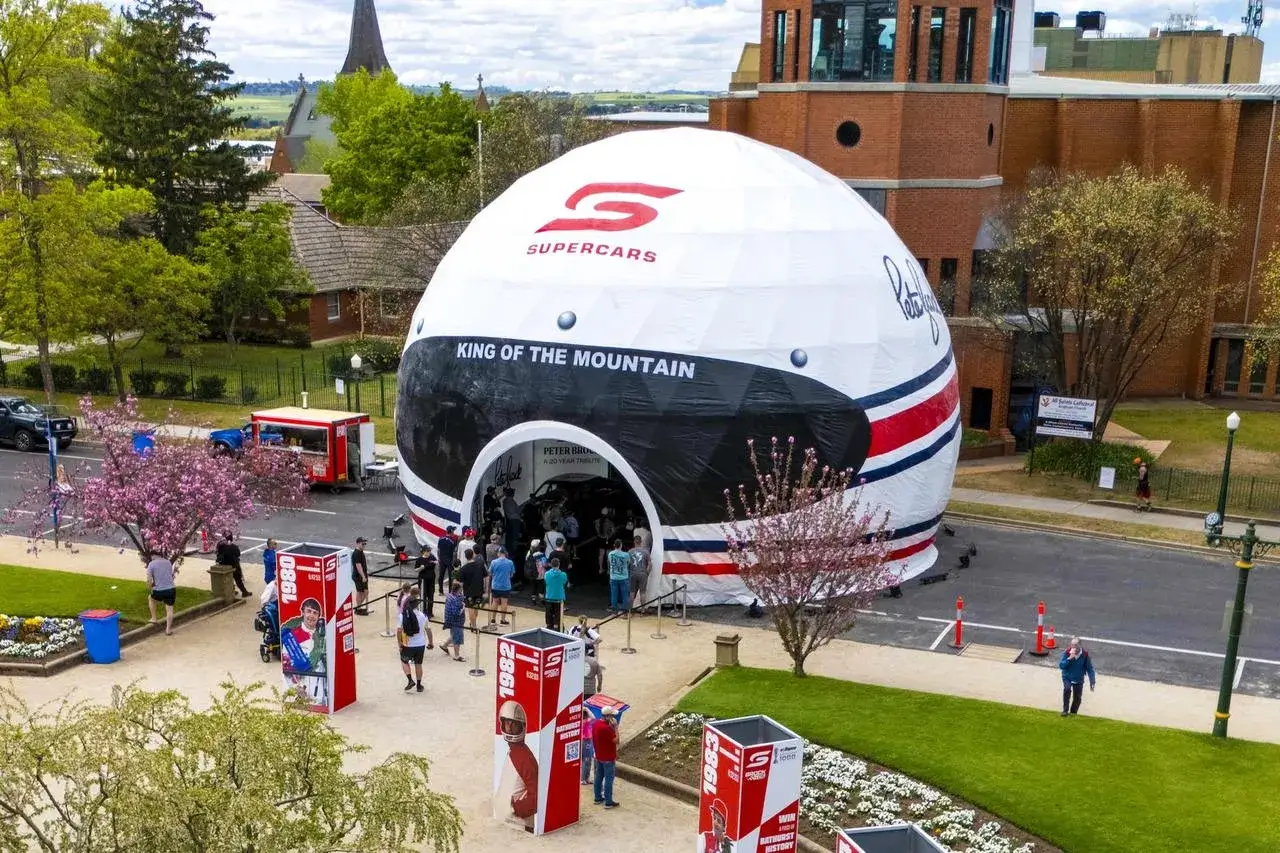
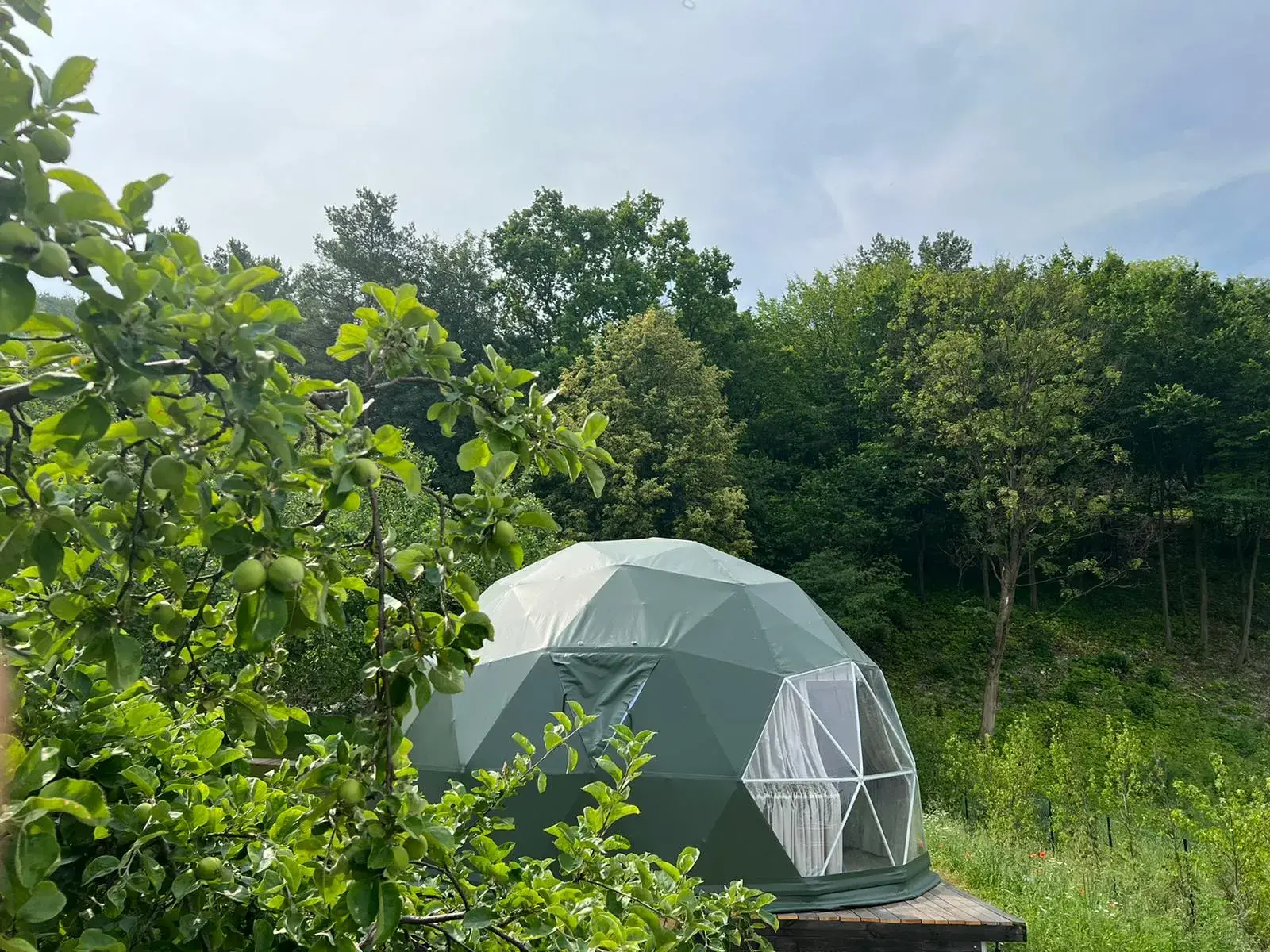
- Modular / Portable Stage: If you frequently host events at different venues, a portable outdoor stage is a great helper. A good example is the classic and practical stage dome. Thanks to its modular design, it can be set up and taken down very quickly, which saves cost on time and labor.It works for everything from small community events of a few dozen people to large gatherings of several hundred. Moreover, unlike other outdoor stages, the stage dome fabric is tear‑resistant and 100% waterproof, providing performers with outdoor shelter from the weather.

- Thrust Stage: This stage extends into the audience like a long tongue, shortening the distance between performers and spectators and creating stronger on‑site interaction. This style is also common in medium‑sized events such as theater, speeches, or band performances.
- Mobile Trailer Stage: This is a stage built onto a trailer. Just drive the vehicle to the site and unfold the stage. It is extremely flexible and almost unrestricted by venue limitations. The advantage of a trailer stage is that it saves setup time, can be reused, and has a low cost. It is ideal for touring performances, pop‑up events, or country fairs.
What to Consider Before Designing an Outdoor Stage
Before designing an outdoor stage, there are several important points to consider. First, determine the stage size and functional layout based on the event type and audience size. Second, assess the site conditions on the spot. Ensure the ground is level and can support the required load.
In addition, for outdoor venues, you must plan drainage and rain protection in advance to prevent weather disruptions. High‑quality sound equipment and outdoor stage lighting are also essential. It is best to have road access near the site for convenient guest arrival. Finally, plan the crowd flows to ensure the event runs smoothly and orderly.
Step-by-Step Process to Create an Outdoor Stage
Creating an outdoor stage involves more than selecting a platform and setting up equipment. Site conditions, audience capacity, weather protection, and technical requirements all play an important role in the final result. The following steps can help you plan and build a safe, functional, and professional outdoor stage.
Step 1: Define Event Size and Requirements
The first step in creating an outdoor stage is to clarify the number of participants, the type of performance, and the supporting equipment needed. For a small outdoor wedding, a compact stage with basic decoration and equipment is sufficient. However, a large outdoor concert stage for a music festival requires a spacious performance area, professional sound equipment, and multiple lighting systems.
In addition, finalizing the overall budget early on is also helpful. It guides the selection of stage structure and materials, effectively controlling costs while avoiding resource waste.

Step 2: Choose Stage Type and Layout
Once the event requirements are clear, the next task is to choose the right stage type. Portable or modular stage domes are often suitable for small and medium-sized events, while larger concerts and festivals may require more robust stage structures to support performers and equipment. Stage orientation should also be considered carefully. Positioning the stage away from direct sunlight can help improve audience comfort and visibility.
A practical layout is equally important. The backstage area should allow easy access for performers and staff. Technical equipment should be placed in a protected location with convenient access for operation and maintenance. The audience area needs enough space for movement and emergency access. A well-organized layout can improve safety and help the event run more efficiently.
Step 3: Prepare the Site
Before setting up an outdoor stage, some site preparation is necessary. For example, debris on the site must be cleared away. The evenness of the ground should also be checked. Then test the ground's load‑bearing capacity to ensure it can support the stage structure and all the equipment.
The biggest concern for an outdoor stage is rainwater pooling. Therefore, the drainage system must be optimized in advance for open‑air venues. For a large outdoor stage project, foundation reinforcement is also required to further improve overall stability.
Step 4: Build or Install the Stage Structure
Now it's time to move to the main structure assembly of the outdoor stage. A load‑bearing platform is usually laid to make the stage area flatter and more stable. Then the workers will follow the construction drawings, install the support frame, and the top protective canopy.
During assembly, all connecting parts must be securely fixed to reduce the risk of shaking or loosening. If you want to save time or the project is urgent, a modular stage is a good choice. This design helps improve installation efficiency and reduce construction time.
Step 5: Add Safety and Functional Features
Safety should be considered throughout the stage setup process. The stage surface should provide good traction to reduce the risk of slips and falls. Guardrails, handrails, and adequate lighting can help protect performers, staff, and crew members when moving around the stage and access areas.
Weather protection is also an important part of stage planning. Wind-resistant anchoring systems and suitable stage covers can help protect the structure and equipment during changing weather conditions. Technical equipment should be positioned in secure locations with sufficient protection from rain and accidental contact.
Audience safety should not be overlooked. Clear pathways, designated equipment zones, and appropriate separation between technical areas and spectators can help reduce risks during the event. Well-planned safety and functional features support smoother operations and create a safer environment for everyone on site.

Step 6: Set Up Technical Equipment
Technical equipment plays a major role in the success of an outdoor stage. A complete setup often includes sound systems, lighting equipment, and LED screens. Sound systems should provide clear audio coverage for both performers and the audience. Lighting helps improve visibility and creates the right atmosphere for different performances. LED screens can enhance the viewing experience, especially for larger audiences.
For larger events, truss systems are commonly used to support lighting, speakers, and display equipment. This helps organize technical installations and ensures equipment is securely positioned. Proper cable management is also essential. Cables should be protected from weather exposure and placed in a way that reduces trip hazards. Well-planned technical systems can improve performance quality, audience experience, and overall event safety.
Step 7: Final Safety Check and Rehearsal
Before the event begins, conduct a final safety inspection and full rehearsal for the outdoor stage. Check the stage structure, support systems, and connection points to ensure everything is secure. Lighting, sound systems, LED screens, and other technical equipment should be tested to confirm they are operating properly.
The audience experience should also be reviewed before opening the venue. Team members can assess the stage from different viewing areas to identify visibility or sound coverage issues. A complete rehearsal helps verify timing, equipment performance, and staff coordination. Any remaining issues can be addressed before guests arrive.
Outdoor Stage Design Ideas for Better Audience Experience
Here are some good outdoor stage ideas that can greatly enhance event quality and the audience experience. For example, add a thrust stage or use a multi‑level stage. A thrust stage shortens the distance between performers and the audience. A multi‑level stage adds visual depth.
It’s better to use color and dynamic outdoor stage lighting effects. Warm, slow‑changing colors suit a cozy atmosphere. Fast‑flashing cool colors work well for rock music. For large events, it’s necessary to place two large screens on both sides of the stage so that the audience in the back can also see clearly. Another tip is to make the seating area open‑plan. It can enhance the interactive atmosphere.

How Much Does It Cost to Build an Outdoor Stage?
The cost of building an outdoor stage is affected by many factors. Stage size, structure type, and construction materials are the main cost drivers. A larger number of supporting pieces of equipment also increases the price. In addition to these expenses, transportation fees, labor installation costs, and construction time also influence the overall budget.
Small temporary event stages have a simple structure and fewer equipment needs, so the overall cost is lower. Medium‑sized commercial event outdoor stages require standardized supporting facilities, with moderate costs. Large outdoor concert stages need reinforced structures and a full set of professional equipment, resulting in higher investment.
If you host events frequently, a modular outdoor stage is a good choice. Although the initial investment is higher, it can be assembled, disassembled, and reused multiple times, effectively reducing long‑term operating costs for businesses.
Conclusion
Selecting and building an outdoor stage does involve many considerations. Every step, from early planning and main structure assembly to safety inspection, affects the stage's performance and the event's reputation. If you need a high‑cost‑performance outdoor stage tailored to various scenarios, Shelter Dome is a trustworthy professional choice.
Shelter Dome specializes in the manufacturing of modular outdoor stages and stage domes. We provide one‑stop services ranging from solution design and custom production to after‑sales maintenance. We can also customize dimensions and supporting facilities based on event scale, helping businesses deliver high‑quality outdoor events with comprehensive support.
